Last Friday, after most people left work, President Trump announced the repeal of two executive orders (11644 and 11989) that govern off-road vehicle (ORV) use on public lands nationwide. He also directed federal land management agencies to rescind or revise their regulations implementing these orders, setting the stage for chaos and confusion across the country.
For a bit of background, Presidents Nixon and Carter issued those executive orders in response to an explosive increase in ORV use in the 1960s and 70s across public lands and the corresponding environmental damage and conflict. Together, the orders directed federal land management agencies to develop regulations to address that increasing ORV use by “minimizing” the resultant impacts. This included locating ORV areas and trails to minimize damage to public land resources and wildlife as well as conflicts between different recreationists. The orders also empowered agencies to act swiftly to close areas to ORVs when they are causing or will cause considerable damage to natural and cultural resources.
For roughly 50 years, these orders have helped protect streams, wildlife and their habitats, and opportunities for safe recreation by providing clear and consistent guidance for motorized and nonmotorized users on Bureau of Land Management (BLM), U.S. Forest Service and National Park Service lands. And each of those agencies subsequently issued regulations to implement the Nixon and Carter orders.
Trump’s latest action marks a significant shift in public lands management, one that prioritizes ORV use over all other activities and at the expense of clean water, wildlife habitat, cultural sites, and the experience of motorized and non-motorized recreationists alike.
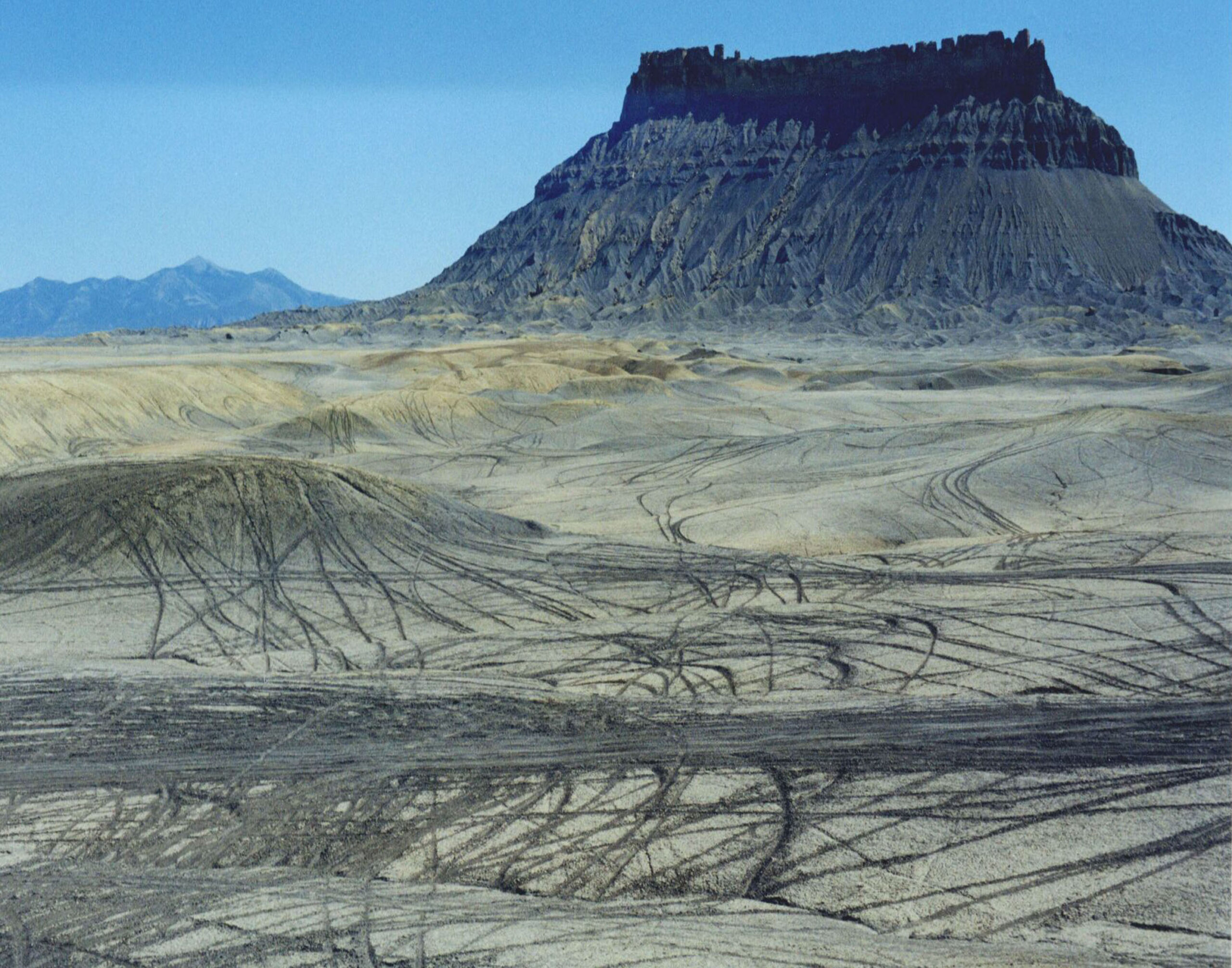
SUWA is no stranger to the problem of excessive ORV use. BLM lands and redrock country have been at the center of ORV issues for decades, and SUWA has been on the front lines of this issue the entire time. In the late 1990s and early 2000s, we challenged extensive cross-country ORV use in wilderness study areas and BLM’s hands off approach to ORV use across the state. More recently, SUWA successfully challenged unbalanced travel management plans that prioritized ORVs to the detriment of cultural sites, wildlife habitat, desert waterways and those seeking quiet and solitude in redrock country. And we are not going to stop now.
While motorized groups and the Trump administration like to throw around words like “access,” what they really mean is they want ORV use anywhere and everywhere regardless of the impact to natural and cultural resources or other public land visitors. Simply put, “access” does not only mean motorized access. In Utah alone, right now there are tens of thousands of miles of dirt routes and trails open to ORV use in addition to more than 130,000 acres open to cross-country ORV use (meaning vehicles can literally drive anywhere within those designated areas).
Trump’s actions won’t make public lands more accessible but will make the public land experience worse for everyone. It will create confusing and unsafe conditions, while at the same time damaging wildlife habitat and cultural resources. Hikers, hunters, bikers, equestrians, and those seeking quiet time with friends and family in the outdoors will end up being overwhelmed by the dust, noise, and damage caused by unregulated ORV use.
For now, regulations implementing the two executive orders—requiring local land managers to minimize damage from ORVs and conflicts between different public land users—remain in place, as do existing travel management plans. We expect, however, that the Trump administration will work quickly to weaken if not outright eliminate both the regulations and individual plans. SUWA will be there every step of the way, fighting to protect Utah’s incredible wild places.
If you haven’t already, please submit comments via our San Rafael Swell and San Rafael Desert advocacy actions; proposals for these areas would add new routes or re-open previously closed routes to ORVs. The comment period closes on Monday, June 8.