A Brief History of Off-Road Vehicle Management on BLM Lands
For more than 50 years, ORV use on public lands has been managed in accordance with what is known as “the minimization criteria,” which require the BLM to locate ORV areas and trails in a way that minimizes damage to public land resources and wildlife and minimizes conflicts between ORVs and other public land users.
For a bit of background, Presidents Nixon and Cater issued two executive orders in response to an explosive increase in ORV use across public lands in the 1960s and 1970s and the corresponding environmental damage and conflict. Together, the orders directed federal land management agencies to develop regulations to address increasing ORV use by “minimizing” the resultant impacts. The orders also empowered agencies to act swiftly to close areas or trails to ORVs when they are causing or will cause considerable damage to natural or cultural resources. The BLM later issued regulations to implement these executive orders.
These executive orders and subsequent regulations have helped protect streams, cultural sites, wildlife and their habitats, wilderness-quality landscapes, and opportunities for safe recreation by providing clear and consistent guidance for motorized and nonmotorized users on public lands. The regulations—when properly implemented—protect motorized access by creating legal routes while also ensuring that hikers, hunters, anglers, horseback riders, mountain bikers, families, and wildlife are not pushed aside by unmanaged vehicle use.
There is no doubt that the BLM has struggled to implement these regulations, especially in Utah, allowing expansive ORV damage across these spectacular wild lands (more on that below). These regulations nevertheless provide an important guardrail to manage motorized use and a standard to which the BLM can be held accountable.
Now, all of this is at risk. As part of the Trump administration’s systematic dismantling of the rules and safeguards that keep public lands safe, accessible, and managed for everyone, the BLM is planning to roll back these travel management regulations. Eliminating these regulations will not improve access but will make the public land experience worse for everyone. It will create confusing and unsafe conditions, while at the same time damaging wild lands, wildlife habitat, and cultural resources.
Travel Management Planning in Utah
For decades, the BLM did little to regulate ORV use on public lands in Utah. The agency allowed cross-country ORV use in many areas, which meant vehicles could drive virtually anywhere, regardless of the damage they caused along the way. After multiple lawsuits, the BLM began to change those policies and started designating specific routes and trails for motorized use. And yet, the agency still failed to control ORV use and damage.
In the waning days of the George W. Bush administration, the BLM released six resource management plans that blanketed eastern and southern Utah with more than 30,000 miles of motorized vehicle routes. Routes designated in these plans cross directly through cultural sites and wildlife habitat, weave in and out of streams, and sometimes don’t even exist on the ground. These route designations failed to comply with federal laws enacted to protect archaeological and cultural sites. They also failed to comply to comply with the “minimization criteria.”
SUWA challenged these six resource management plans in court (click here for background info), including the six associated ORV travel plans. Underscoring the importance of strong ORV regulations, the federal district court agreed with SUWA that the BLM failed to comply with federal laws to protect public lands, resources, and cultural sites from damage caused by ORVs.
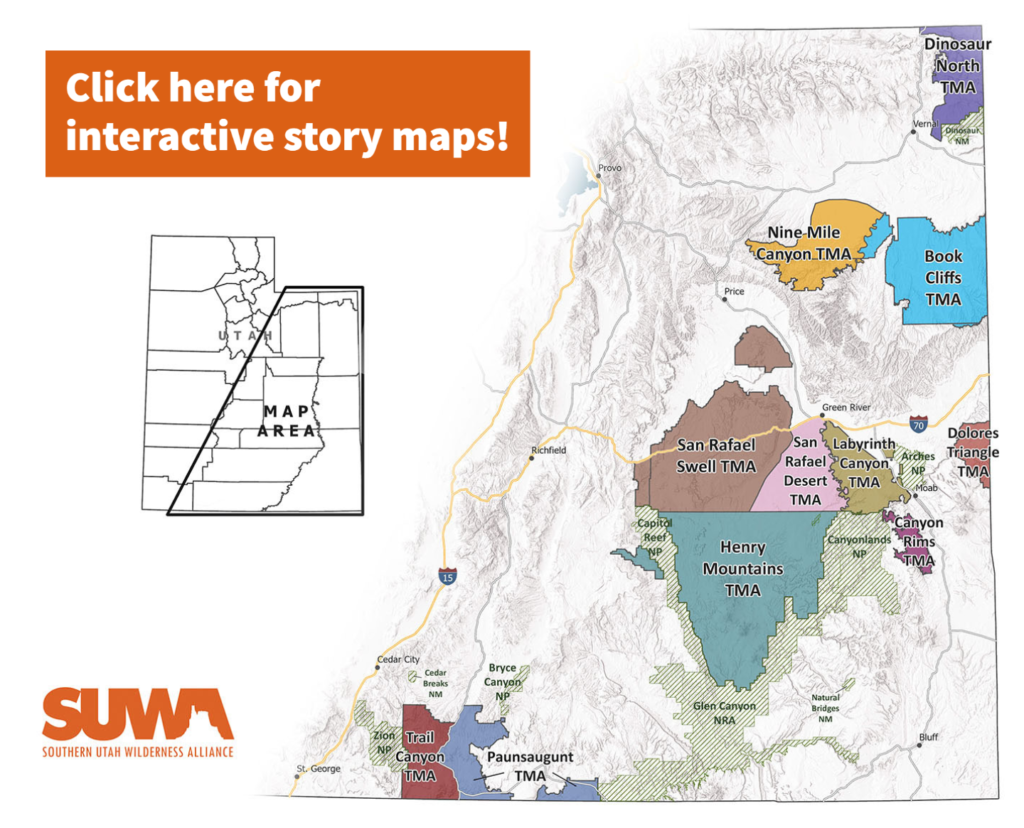
Under a January 2017 settlement agreement, the BLM is required to complete 11 new travel management plans, covering more than 6 million acres of BLM-managed lands in eastern and southern Utah (see current status of these plans below). Prior to designating routes as open to ORVs, the BLM must expressly consider impacts to “lands with wilderness character,” sensitive natural resources, and cultural resources. The agency must also minimize impacts to those resources. Prior to designating routes as open to ORVs, the BLM must expressly consider impacts to “lands with wilderness character,” sensitive natural resources, and cultural resources. The agency must also minimize impacts to those resources.
This travel management planning is ongoing even as the Trump administration seeks to change the rules of the road. See below for the current status of each plan.
Completed Plans
| San Rafael Desert Final Plan Released: October 2021 *Under reconsideration by Trump admin 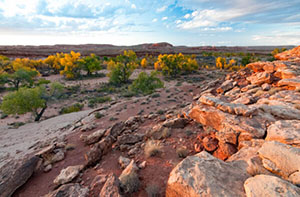 | Labyrinth Rims/Gemini Bridges Final Plan Released: September 2023 *Under reconsideration by Trump admin  | Canyon Rims Final Plan Released: May 2021 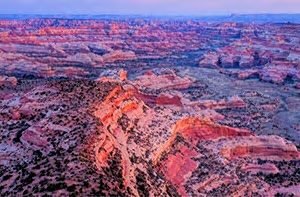 |
| San Rafael Swell Final Plan Released: December 2024 *Under reconsideration by Trump admin  | Henry Mountains/Dirty Devil Final Plan Released: January 2025 *Under reconsideration by Trump admin 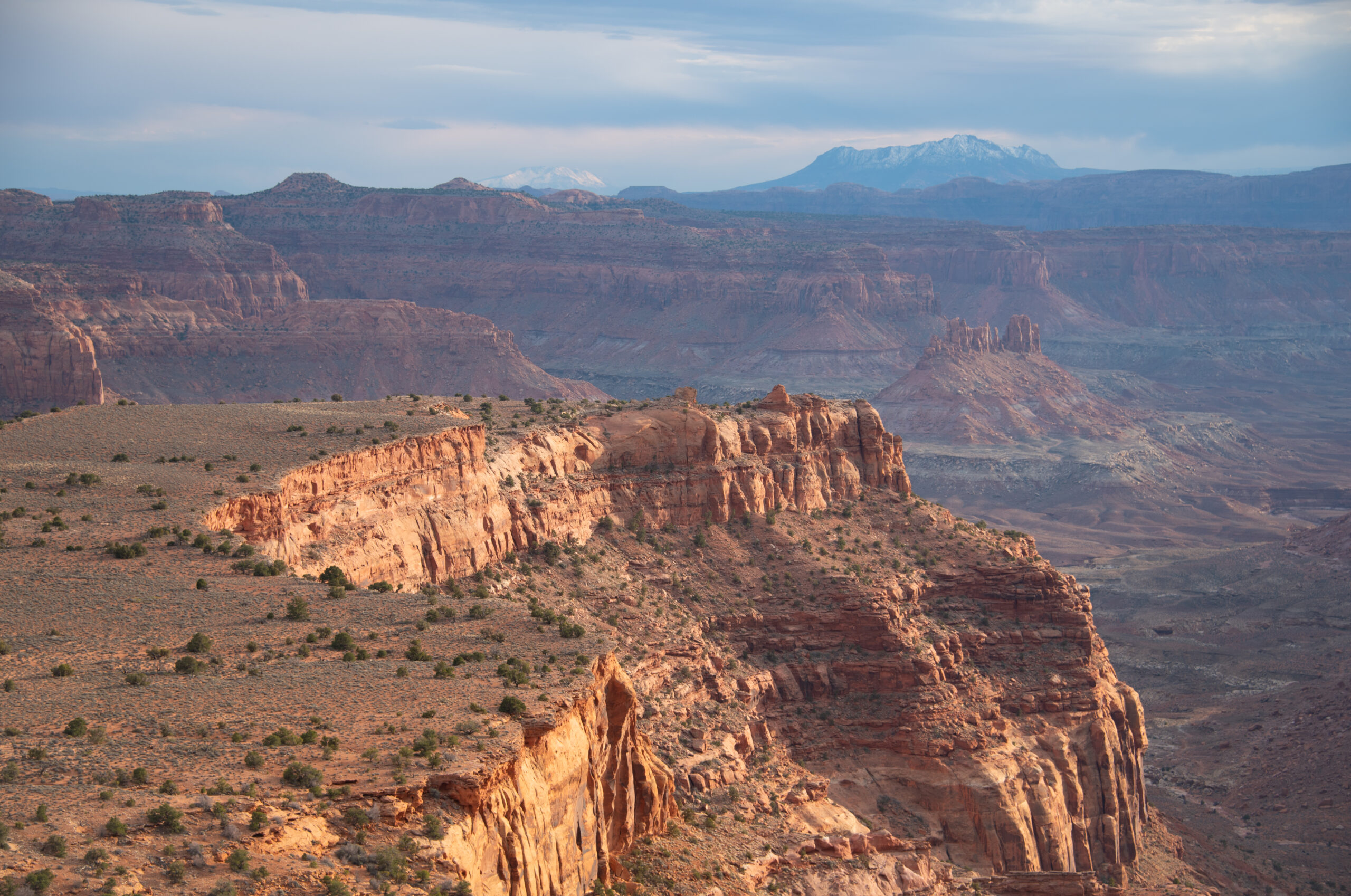 |
Plans in Progress
| Trail Canyon Draft Plan Released: June 22, 2026  | Dinosaur North Draft Plan Released: June 22, 2026 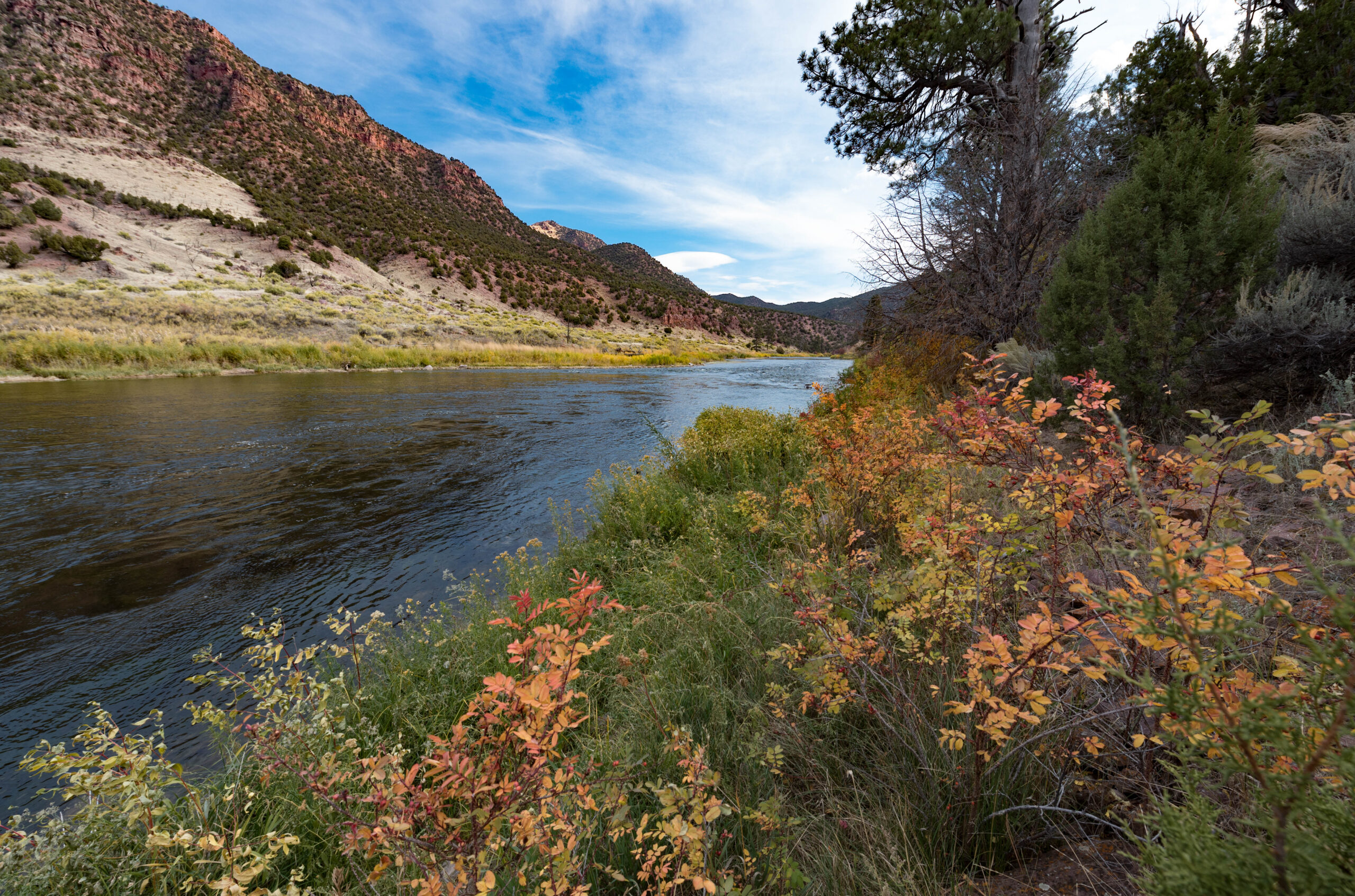 | Dolores Preliminary Alternatives Released  |
| Paunsaugunt Scoping Completed 2022  | Book Cliffs Scoping Completed 2021  |
Upcoming Plans
| Nine Mile Next Up: Scoping Phase Expected Final Plan: April 2028  |
Our Ongoing Work to Protect the Redrock
SUWA is committed to ensuring that the wild country proposed for wilderness designation under America’s Red Rock Wilderness Act—and the streams, wildlife, soils, native plants, cultural sites, and solitude found there—are protected from ORV-related impacts. As part of this work we are:
- Participating in the BLM’s ongoing ORV travel planning. Through that process, SUWA is providing significant information about the condition of routes on the ground and potential impacts to natural and cultural resources.
- Providing the BLM and the public with information regarding the environmental and cultural resource impacts of ORV use and urging the agency to develop trail designations that make sense and also minimize impacts to natural and cultural resources.
- Assisting in the clean-up and restoration of ORV-damaged areas through stewardship projects with our members and partners in the conservation community.