

Southern Utah: Backpacking Cultural Site Survey
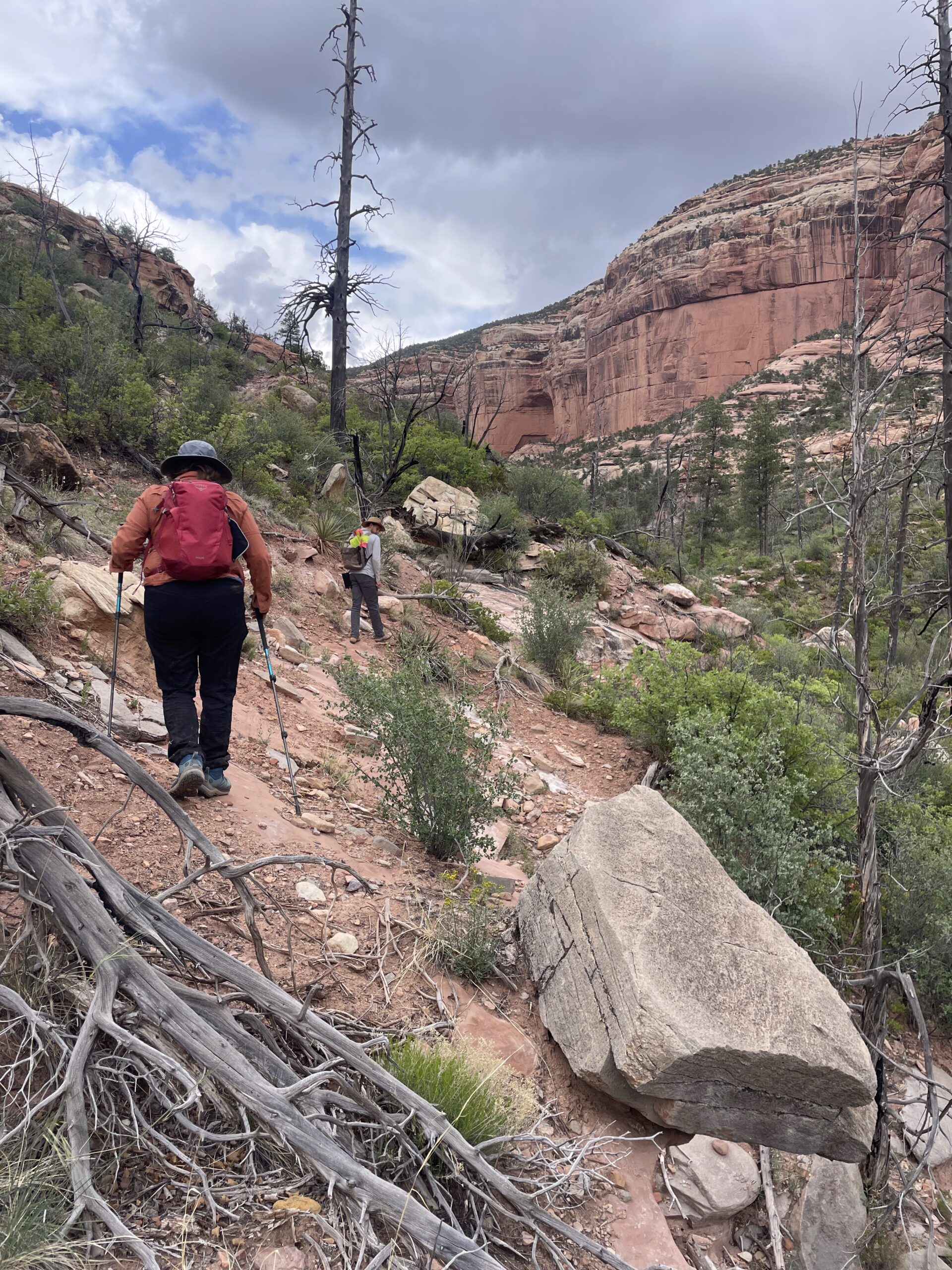
**It is an honor and privilege to visit these sites and support their protection. Participants must understand that this is a sacred landscape and treat sites with the utmost care and respect.**
**THIS IS A BACKPACKING PROJECT**
If you choose to apply for this project, please include your previous backpacking experience in your application. Don’t hesitate to reach out to volunteer@suwa.org to learn more about the details of this trip, including mileage, strenuous terrain, and water availability.
The Landscape
Designated on December 28, 2016, Bears Ears National Monument is a vast and breathtaking region of southern Utah. Bears Ears is co-managed by the Bears Ears Inter-Tribal Coalition, the Bureau of Land Management, and the Forest Service—a historic collaboration that recognizes the deep, ongoing relationship between tribes and this landscape. While largely recognized for its many cultural sites, it is crucial to emphasize that this region is a living, breathing, sacred place. Tribes across the region continue to use Bears Ears for cultural practices such as medicinal plant gathering, firewood collection, ceremony, and connection to ancestral homelands. Scattered throughout the mesas, canyons, and forests are many cultural and archeological sites that speak to human presence stretching back countless generations.
Since Western colonization swept across North America, indigenous peoples, sacred places, and cultural sites have been subject to atrocious harm. In the case of Bears Ears, looting, vandalism, and accidental damage have impacted cultural sites, and many areas were last surveyed decades ago using outdated technology. With improved tools and renewed commitment, land managers are working to re-inventory and monitor these irreplaceable places—work that is essential to their long-term protection.
The Work
On this project, volunteers are invited to partake in re-inventory and monitoring of cultural sites. Archeologists with the Forest Service will train volunteers and lead surveys in the remote backcountry. These surveys help guide managers on how to best protect cultural sites and help protect the landscape as a whole.
Volunteers will:
- Backpack in a remote area on rugged trail
- Survey for cultural resources
- Stoop, bend, and hike over uneven surfaces
- Utilize tools such as measuring tapes, clipboards, flagging, and tablets
All work tools will be provided. Volunteers will need to supply their own backpacking gear, meals, and water.
Project Rating
Strenuous – This project involves backpacking in steep and uneven terrain. Surveying will involve off-trail navigation in often steep and brushy conditions. Don’t hesitate to reach out to the project lead for this trip to see if this project is a good fit for you.
All projects take place outdoors: Please consider your comfort level working in remote landscapes at varying elevations and under variable weather conditions. Our team strives to ensure that all projects provide meaningful work for volunteers of all abilities. Please reach out to the Project Lead if you have questions or concerns.
Volunteers Needed: (6)
Project Lead: TBD
Contact: volunteer@suwa.org
Itinerary
A general itinerary will be provided to registered volunteers in a Welcome Letter.
- Monday, May 4 – Friday, May 8
Camping & Meals
This project will be a backpacking trip. Volunteers will hike into our campsite for the week and then basecamp there for the duration of the project, day-hiking to daily survey sites. Details will be provided in the Welcome Letter sent to registered volunteers. Expect remote conditions, with some water carrying involved.
Volunteers are responsible for all meals (breakfast, lunch, and dinner) during this project.
Volunteer Responsibilities
Participants are responsible for their own food, water and camping gear as well as transportation to and from the project site(s). Volunteers should plan to be away from camp all day each of the work days. A recommended packlist will be sent along with the project Welcome Letter (4) weeks prior to the start date. If camping gear is a barrier to your attendance, please reach out to the Project Lead to discuss options.
Registration & Acceptance Timeline
A 2026 General Volunteer Application is required for this project.
- Once we have received your application, you will receive a confirmation email within (5) working days of submission.
- We log all applications until (8) weeks prior to the project. At this point, you will first receive an email confirming whether you have been placed on the“project roster” or a “waitlist.” If you are selected for the project roster, you will then complete a Volunteer Agreement.
- At (4) weeks before the project start date, registered and confirmed participants will receive a Welcome Letter with a comprehensive itinerary, including: driving instructions, a Project Map for mobile devices (when applicable), a notification about carpools and/or caravans, and any additional information pertinent to the project.
- Within (2) weeks of the project you will receive a direct call from the Project Lead to answer any additional questions you may have.
- Individuals on the waitlist will be contacted if space opens due to cancellation within (2) weeks of the project start date.
If you have any questions at any point throughout the process, please do not hesitate to contact us here.